How to Choose the Right Dune Buggy for the Dubai Desert
Choosing a dune buggy for the Dubai desert is less about picking the flashiest machine and more about matching the vehicle to the terrain, the riders and the kind of day planned. A buggy that feels lively on flat ground can become tiring in soft sand, while a larger off-road vehicle may feel steady but less nimble between dunes. The right choice comes from working through a few practical decisions in order.
Start with the way the day will be used
Before looking at any vehicle, define what the drive needs to do. A short introduction to the desert is different from a longer route across open dunes. A rider who wants calm control will have different needs from someone chasing a more spirited ride. If children or less confident passengers are involved, comfort and predictable handling matter more than raw power.
Think about the balance between riding and stopping. Desert outings often include photo stops, short walks and time to take in the dunes. A buggy that is easy to get in and out of, with enough space for everyone to sit without rubbing shoulders, makes those pauses far more pleasant. If the plan includes a desert safari, the vehicle should suit the whole outing rather than only the fastest stretch of sand.
Set the rider requirements before comparing models
Next, list who will ride and what each person needs. Check whether the vehicle has enough seats, whether passengers have a clear place to put their feet, and whether the seating feels secure when the buggy moves over uneven sand. Extra room is useful, but a vehicle that is too large for the group can feel heavy and awkward in tight turns.
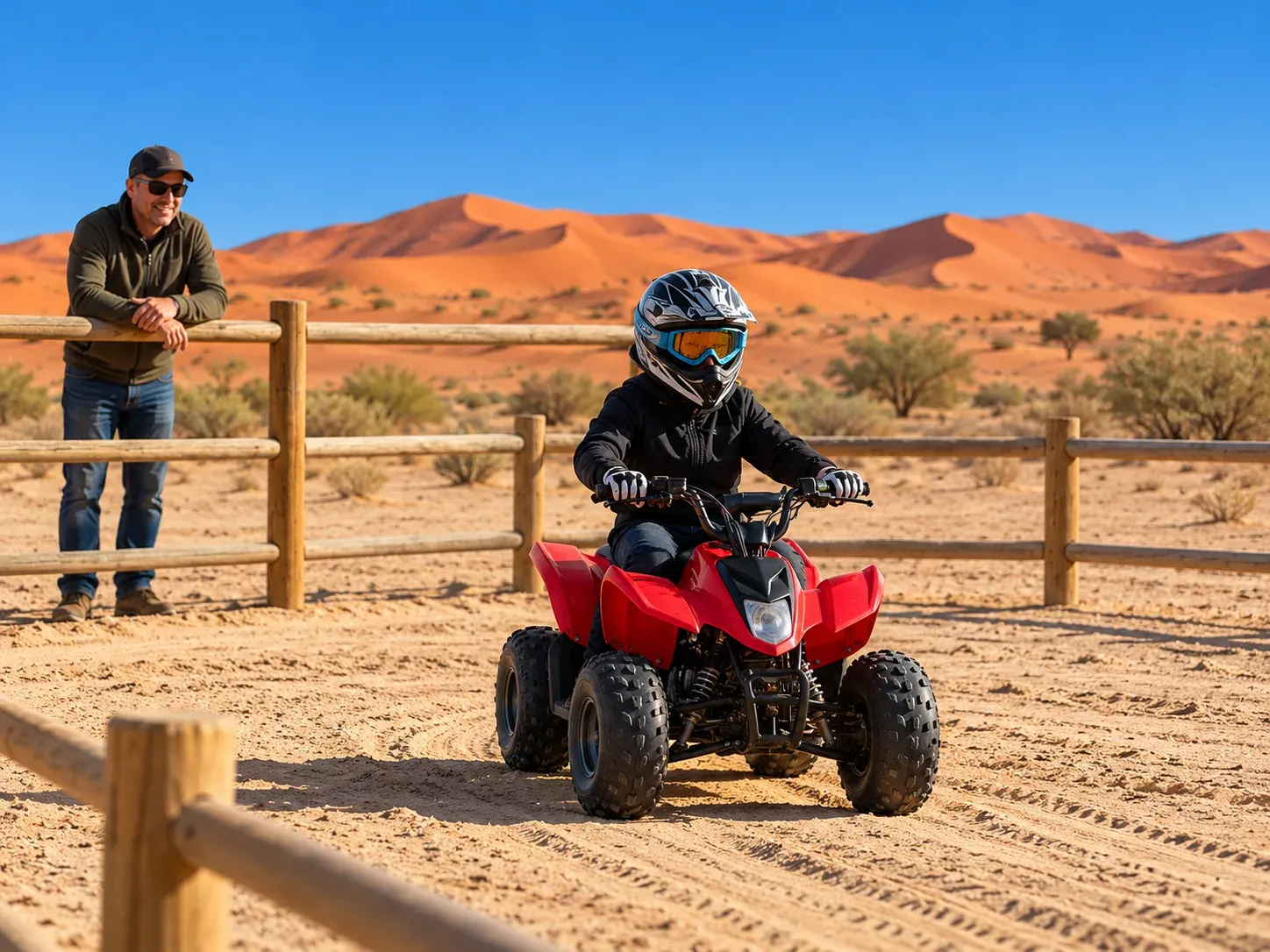
Pay attention to body size and driving position. The driver should be able to reach the steering wheel and pedals without stretching, and should have a clear view ahead and to the sides. Passengers should not have to brace themselves constantly. If the group includes mixed heights, choose a layout that can stay comfortable for the whole ride rather than one that suits only the tallest person.
Safety gear is part of this stage, not an afterthought. Ask what protective equipment is supplied and what riders should wear for sun, dust and sand. Helmet fit matters. A helmet that shifts around offers less protection and can distract the rider. Closed footwear, eye protection and loose clothing that can catch on controls are also worth considering before the day begins.
Match the buggy to desert conditions
The Dubai desert can shift from firm tracks to soft sand and steep dune faces within a short distance. A suitable dune buggy needs steady low-speed control, enough ground clearance and a suspension setup that can absorb bumps without throwing passengers around. Power helps, but control is more useful when the surface changes without warning.
Ask how the vehicle behaves on climbs, descents and side slopes. A good match should feel stable when crossing a sand dune at an angle and should not demand constant correction from the driver. Steering that feels vague on sand can make the ride tiring, especially over a longer route. Braking should feel predictable, with no sudden grab that could unsettle riders.
Tyre choice and condition also deserve attention. Sand tyres are built to spread the load and keep the buggy moving across loose ground. Worn or unsuitable tyres can cause sliding, bogging and extra strain. Visible damage, low tread or uneven wear are signs to raise before committing. Mechanical faults and brake concerns should be left to a qualified professional, not handled with improvised fixes.
Compare the level of support around the ride
A dune buggy does not operate in isolation. The route, the rules of the area and the support available all shape the experience. For many visitors, a guided tour removes much of the uncertainty, particularly when dunes look similar and it is easy to lose direction. A guide can set a pace that suits the group and choose terrain that fits the vehicles being used.

Check whether the outing follows established routes and how breaks are handled. Clear communication at the start makes the day smoother: where the group is going, what riders should do if they want to stop, and what signals are used when the buggy is moving. If the route passes near other off-road vehicle users, extra care and a conservative line are sensible.
When comparing options, it helps to keep notes on practical points rather than relying on a general impression. A page such as dune-buggy-dubai.net can be one reference point while you compare the vehicle type, riding format and desert conditions that fit your plans. Look for clear information, simple terms and answers that address what riders actually need to know.
Confirm the fine details before choosing
Once a shortlist forms, move from broad suitability to the details that can change the decision. Ask about the vehicle layout, the number of riders it suits, the type of terrain planned and the safety equipment provided. If anything sounds unclear, ask for a plain explanation before paying attention to appearances or added extras.
Useful questions tend to be direct:
- Does the buggy suit the number and size of riders in the group?
- Is the route planned for the skill level of the least experienced rider?
- What safety gear is supplied, and how is fit checked?
- How are sand conditions handled if the route becomes softer than expected?
- What happens if a rider wants to stop or change pace?
Listen for answers that are specific without being complicated. A clear explanation of the vehicle and the day is more useful than vague claims about performance. It is also wise to confirm what is expected from riders, including basic control, following instructions and staying with the group. The best choice is usually the one that keeps the ride manageable from start to finish.
Make the final choice on fit, not appearance
After gathering the facts, compare each option against the original plan. If the day is about a relaxed desert outing, favour comfort, stable handling and clear support. If the route is more active, focus on control, suspension and the ability to handle changing sand. In both cases, the buggy should suit the riders rather than push them beyond their comfort zone.
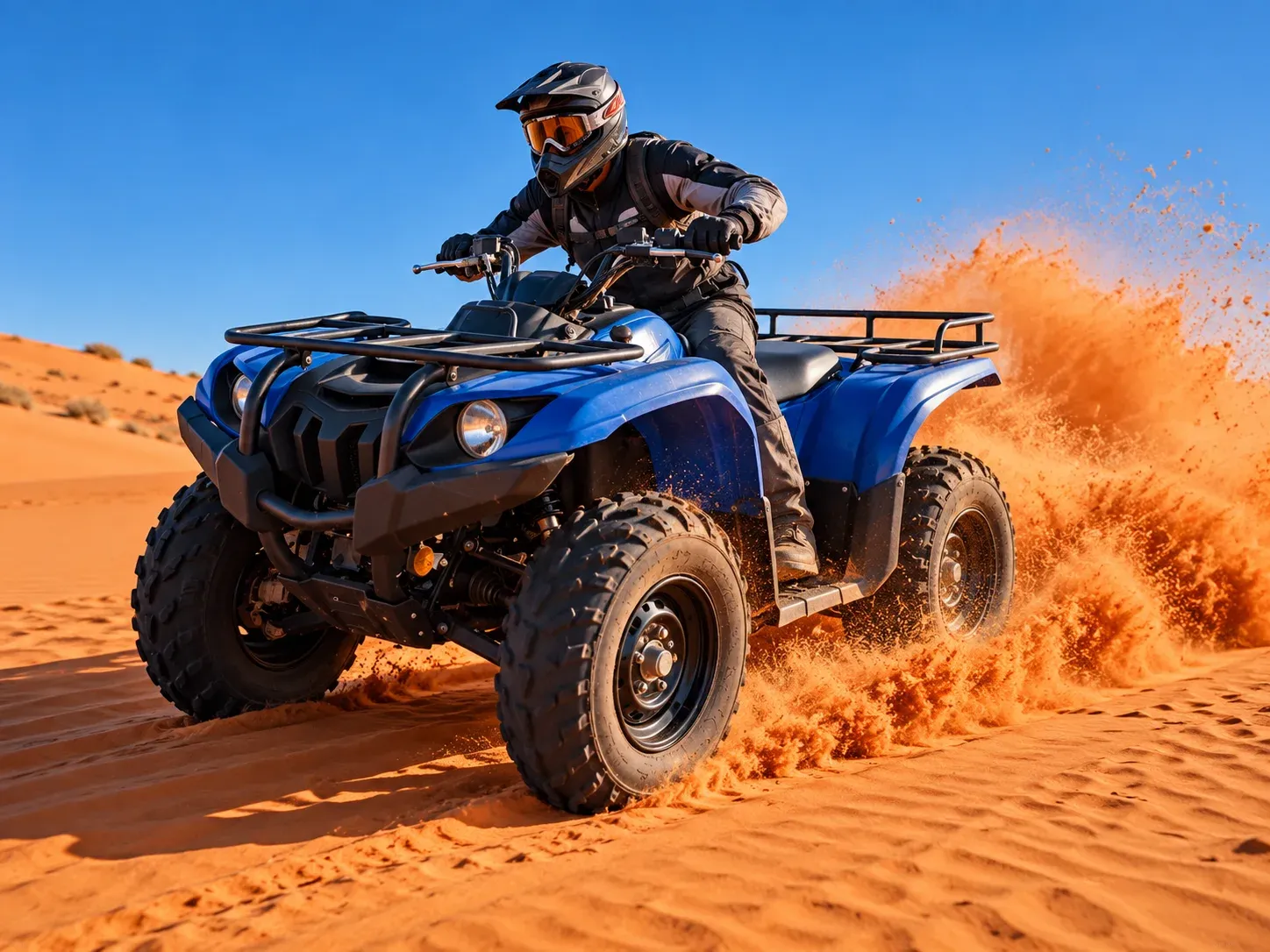
A choice linked to polaris dune buggy dubai should still be judged by the same practical standards as any other off-road vehicle: fit for the riders, suitable for the dunes and backed by clear safety expectations. When those pieces line up, the decision feels straightforward and the time in the Dubai desert is far easier to enjoy. Before finalising, check that every rider understands the basic rules of the ride and feels comfortable asking questions. Good preparation leaves more room for the part that matters, which is reading the dunes and enjoying the drive with confidence.
One last point is worth keeping in mind. Sand conditions can change with wind, traffic and time of day, so a flexible approach is often better than a rigid plan. A buggy that gives the driver steady control and gives passengers room to settle will remain a sound choice even when the route changes. That practical fit is the marker of a good decision. Readers who want to compare terms and vehicle details may also return to dune-buggy-dubai.net as part of that wider research.